

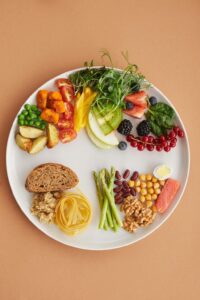
Knowing what nutrition guidelines to follow for your children is important, but a recent shift from the MyPlate nutrition model back to a pyramid model — harkening back to a model from 1992 but inverted for some food groups — may give some parents pause.
The Trump administration’s decision to replace the longstanding MyPlate model, which emphasized the consumption of fruits and vegetables, whole grains, plant- and meat-based proteins and dairy, in 2026 has raised the alarm for some advocacy groups like the Center for Science in the Public Interest. The new model downplays the importance of whole grains and promotes the consumption of full-fat dairy, meat, butter and even beef tallow, leading the group to allege that Health and Human Services Secretary Robert F. Kennedy, Jr. and Department of Agriculture Secretary Brooke Rollins may have been influenced by scientists with ties to the meat and dairy industries when creating the new guidelines.
But pediatricians say the new model is not necessarily unhealthy — though there may be some adjustments to consider. We spoke with Natalie Grow, supervisor for primary care and pediatric dietitians at Allegheny Health Network, about her key takeaways from the new dietary model.
This interview was edited for length and clarity.

Do the new guidelines improve on the MyPlate model in any way?
I think incorporating more “real food” is a great start. The less processed foods and the more fruits, vegetables and whole grains we have, the better. Those are all things we’ve been trying to incorporate into [people’s diets] anyway. I do like the idea of limiting processed foods and added sugars.
On the other hand, are there any parts of these guidelines that are inaccurate or unhelpful?
Dieticians look for individualized care in dietary guidelines. Everyone is different and has different dietary needs, and I think that’s missing from the new guidelines. We want to limit processed foods and added sugars and incorporate lean sources of protein, but those recommendations may change depending on a patient’s medical conditions. As a general guideline, we don’t want to make blanket statements.
The Dietary Guidelines for Americans heavily emphasize meat-based proteins and full-fat dairy, a major change from previous guidelines. What effects will this have on people’s health?
The graphic associated with the new guidelines is kind of misleading. The actual recommendations still are, as they have been in the past, that 10% of our calories should come from saturated fats. It was never recommended to completely avoid red meat, butter or full-fat dairy, just that you want to limit your intake to that 10%. What is also misleading is that it can be difficult to keep that limit if you are consuming more of those things. The public should understand what the actual, written recommendations are, rather than going off the graphic.
What should parents do if they are unsure about these new dietary guidelines?
Finding a registered dietician is a great place to start, since individualized care is so important. It’s really about your goals and your medical needs, and a dietician can help you create a diet that fits your lifestyle.
Natalie Grow is a registered dietitian and Certified Diabetes Care and Education Specialist, currently serving as a supervisor for primary care and pediatric dietitians at Allegheny Health Network. She is passionate about providing individualized recommendations and setting realistic goals for her patients, focusing on consistency and balance rather than a pass-or-fail mentality.

